The wrong choice can cause real problems: clutch plate heads slipping under pressure, dark stains appearing at glue lines, or pipes rusting out in a humid shop within a year. The right choice depends on where you're working, what clamp heads you own, and whether surface protection or corrosion resistance matters more to your application.
This guide breaks down black pipe vs galvanized pipe across five factors — composition, cost, corrosion resistance, clamp head compatibility, and staining risk — so you can make the right call for your specific job.
Key Takeaways
- Black pipe has a bare iron oxide (mill scale) surface; galvanized pipe adds a hot-dip zinc coating over the same steel base
- Clutch plate clamp heads grip black pipe reliably but can slip on galvanized pipe's smooth zinc skin
- Galvanized pipe resists moisture and outdoor exposure far better than bare black steel
- In industrial ductwork support systems, galvanized is the specified standard per SMACNA guidelines
- Match your clamp type to the pipe surface — mismatches cause slippage, corrosion at contact points, or premature failure
Black vs Galvanized Pipe Clamps: Quick Comparison
| Factor | Black Pipe | Galvanized Pipe |
|---|---|---|
| Cost | Lower per foot; widely stocked | Modest premium due to zinc coating process |
| Composition | ASTM A53 steel with iron oxide mill scale | Same steel base, hot-dip zinc-iron alloy coating |
| Corrosion Resistance | Adequate indoors; rusts with moisture exposure | Zinc acts as sacrificial barrier; far more durable outdoors |
| Clamp Head Fit | Excellent for clutch plate heads | Smooth surface causes slippage with clutch plate heads; lever-style heads work fine |
| Staining Risk | Oil coating + iron oxide can mark wood at glue lines | Zinc residue can discolor light-colored woods near wet glue |
| Best Use | Dry indoor woodshops, glue-up clamping | Humid/outdoor settings, industrial ductwork support |

Pricing varies by region and supplier, but one pattern holds: galvanized pipe consistently costs more than black pipe of the same diameter and schedule, driven by the zinc coating process. For short workshop runs, the difference is negligible. When specifying support hardware across a large dust collection or material handling system, however, the premium accumulates quickly.
What Are Black Pipe Clamps?
Black pipe clamps are assemblies built from standard black iron/steel pipe — the user purchases a fixed head, a sliding tail stop, and a length of pipe cut and threaded to whatever clamping length they need. The "black" refers to the dark mill scale surface, which is iron oxide formed naturally during hot rolling above roughly 700°C (1,290°F). It's not paint, and it's not a zinc coating.
Why Black Pipe Became the Default
Woodworker's Journal confirms that clutch plate clamp heads work best on black iron pipe — and that's the mechanism behind the most common clamp heads sold at hardware stores, including the classic Pony Jorgensen fixture designed specifically for ¾-inch black pipe. The slightly rough mill scale surface gives the spring-loaded clutch discs something to grip, preventing slippage under clamping pressure.
Black pipe is also widely stocked at most hardware and plumbing supply stores in the US, and staff will typically cut and thread it to length on-site — a convenience that makes building out a set of clamps fast and inexpensive.
Managing the Oil Coating
Black pipe ships with a light protective oil to prevent flash rust during storage. Left untreated, this oil transfers to wood surfaces and glue lines. Remove it before use:
- Wipe the pipe with mineral spirits or naphtha to strip the factory oil
- Apply paste wax or shellac to seal the surface and keep the clamp sliding smoothly
- Use wax paper or clamping pads between pipe and workpiece for added protection

Black Pipe Use Cases
- Edge-joining boards, tabletop assemblies, and wide panel glue-ups
- Dry, climate-controlled indoor workshops
- Pipes couple together for clamping runs exceeding 10 feet
- ¾-inch diameter is standard for most clamp head systems; 1-inch is available for heavier-duty assemblies
What Are Galvanized Pipe Clamps?
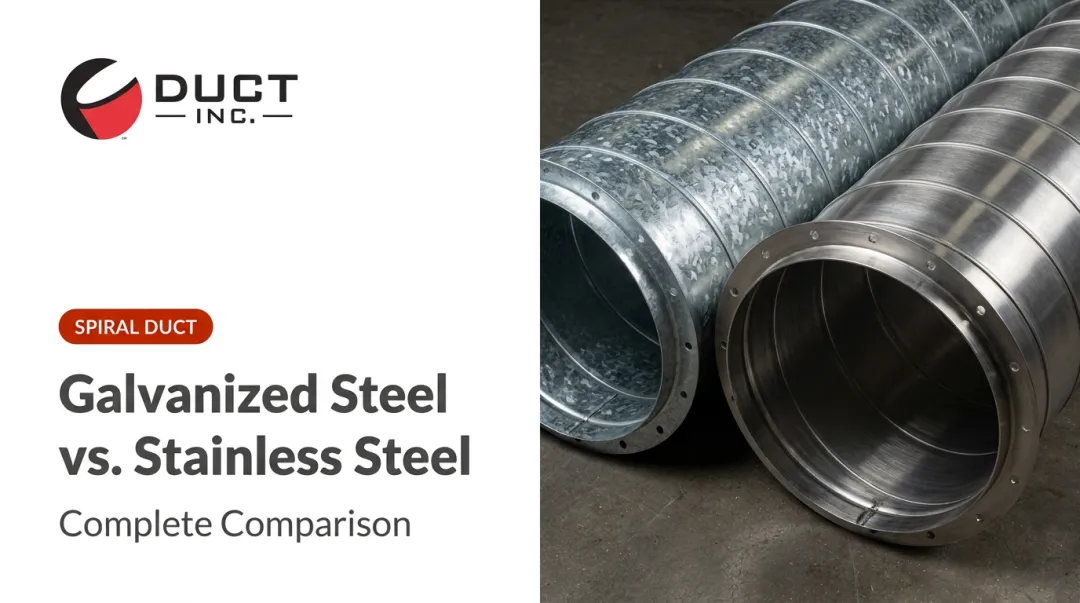
Galvanized pipe clamps use the same assembly concept — fixed head, sliding tail stop, threaded pipe — but the pipe itself has been hot-dip galvanized. That process involves cleaning the steel and immersing it in a bath of at least 98% pure molten zinc at 435–455°C, according to the American Galvanizers Association. The result is a metallurgically bonded zinc-iron alloy layer that becomes part of the pipe — not a surface coating that peels or chips.
How Zinc Protection Works
The zinc coating acts as a sacrificial anode: when moisture and oxygen attack the fitting, the zinc corrodes slowly in place of the underlying steel. Even if the surface gets scratched, the surrounding zinc continues to protect exposed steel electrochemically. The AGA estimates hot-dip galvanized structural steel in industrial atmospheres can reach 72–73 years to first maintenance, which explains why galvanized is the standard choice for outdoor and moisture-exposed hardware.
The Clamp Head Compatibility Issue
Here's the catch for woodworkers: the smooth zinc skin that makes galvanized pipe so durable creates a friction problem. Woodworker's Journal documents this directly — clutch plate clamp heads can slip on galvanized pipe because the zinc surface reduces the grip those spring-loaded discs rely on. Lever-style (toothed) clamp heads work equally well on both pipe types.
Check your clamp head mechanism before buying galvanized pipe. If you own clutch plate heads, black pipe is the straightforward choice.
Staining and Surface Protection
Zinc residue can leave marks where galvanized pipe contacts wet glue or finished wood. The risk is lower than with oil-coated black pipe, but not zero — particularly on light-colored woods. Using wax paper, Masonite strips, or rubber clamping pads between the pipe and workpiece eliminates this concern entirely.
Galvanized Pipe Use Cases
- Best suited for: Outdoor projects, humid or unheated storage, marine environments, and industrial installations
- Commercial standard: BART agency specifications require duct hanger hardware to be galvanized per ASTM A153/A153M
- SMACNA specification: G-60 coated galvanized steel is specified for duct components, making it the documented material for commercial HVAC and industrial pipe support systems
- Avoid for: Natural gas supply lines — local codes and utility rules vary, and some prohibit galvanized pipe in gas applications due to concerns about zinc behavior internally; always verify with your local authority having jurisdiction before specifying
Contractors specifying galvanized hardware for industrial ventilation or dust collection systems should confirm material grade and coating class (ASTM A153 or A123) against the project's applicable standard before ordering.
Black vs Galvanized Pipe Clamps: Which Is Better?
Neither pipe type wins universally. The right choice comes down to three variables: environment, clamp head type, and primary concern (staining vs. rust).
Decision Framework
Choose black pipe when:
- Working in a dry, indoor woodshop with controlled humidity
- You own or plan to buy spring-loaded clutch plate clamp heads
- Budget is a priority and long-term rust resistance isn't a concern
- You need reliable grip under heavy clamping loads without slippage
Choose galvanized pipe when:
- Your workspace is humid, unheated, or exposes clamps to outdoor conditions
- You already use lever-style (toothed) clamp heads
- You need pipe support hardware for commercial or industrial ductwork systems
- Long-term corrosion resistance matters more than upfront cost savings

Mixing Black and Galvanized Components
Some users mix black iron clamp heads on galvanized pipe, or run galvanized fittings alongside black pipe sections. In a dry indoor shop, this is generally fine.
In wet or outdoor conditions, contact between dissimilar metals — with moisture acting as the electrolyte — can accelerate galvanic corrosion at the contact points. The AGA notes that a large cathode surface area paired with a small zinc anode can cause rapid zinc loss in these conditions. Consistent material matching is the cleaner long-term choice.
Real-World Application: HVAC Pipe Support Systems
In commercial HVAC and industrial ventilation work, the galvanized vs. black question is settled by specification. BART's Section 23 31 00 requires duct hanger and support hardware to be galvanized per ASTM A153/A153M, with fabrication per SMACNA HVAC Duct Construction Standards. Condensation, outdoor exposure, and long service lives make zinc-coated hardware the only defensible choice at scale.
For woodworkers, the stakes are lower. Clean and wax your black pipe, use clamping pads, and you'll get years of reliable service in a dry shop. Take those same clamps outdoors for long-term storage, and you'll be dealing with rust threads within a season.
Conclusion
Black pipe is the practical default for most indoor applications — lower cost, easier to machine, and widely available in standard ¾-inch diameter. Galvanized pipe earns its place wherever moisture, humidity, or long-term corrosion resistance drives the specification.
For industrial and commercial buyers, the decision usually comes down to two factors:
- Environment: Indoor, controlled conditions favor black pipe; wet, outdoor, or washdown environments require galvanized
- Application: Dust collection and dry-air ventilation work well with black pipe; food processing, exterior installations, and high-humidity systems call for galvanized
Match the material to the operating conditions, and the right pipe will hold its connection, resist corrosion, and reduce maintenance over the system's service life.
Frequently Asked Questions
Frequently Asked Questions
What kind of pipe is best for pipe clamps?
For woodworking, ¾-inch black steel pipe is the most widely recommended option — it costs less, and its mill scale surface grips clutch plate clamp heads reliably. Galvanized pipe is the better choice in humid or outdoor settings where rust resistance outweighs the slippage risk with clutch plate heads.
Does galvanized pipe stain wood when used as a clamp?
It can, particularly near wet glue lines on light-colored woods. Zinc residue is the culprit. Placing wax paper, Masonite strips, or rubber clamping pads between the pipe and workpiece eliminates contact marks entirely.
Can spring-loaded clamp heads work on galvanized pipe?
Clutch plate (spring-loaded) heads can slip on galvanized pipe because the smooth zinc surface reduces the friction those mechanisms rely on. Lever-style (toothed) heads grip both pipe types reliably, making them the better choice if you prefer galvanized pipe.
How do I prevent black pipe from leaving marks on my project?
Wipe the pipe with mineral spirits or naphtha to remove the factory oil coating, then apply a thin layer of paste wax or shellac to seal the surface. Placing wax paper or clamping pads between the pipe and workpiece adds another layer of protection on finished surfaces.
Can you use pipe clamps outdoors?
Black pipe clamps will develop surface rust if stored or used outdoors long-term. Galvanized pipe handles outdoor exposure far better. Both types benefit from occasional waxing on threads and sliding mechanisms to slow moisture-related wear.
Is galvanized pipe used as the standard in commercial HVAC duct support systems?
Yes. Public agency specifications, including BART's HVAC duct construction standards, require hanger and support hardware to be galvanized per ASTM A153/A153M. SMACNA standards similarly specify galvanized steel for duct components where condensation and environmental moisture are ongoing factors.